The Capability Statement That Wins Work (and the Template Behind It)
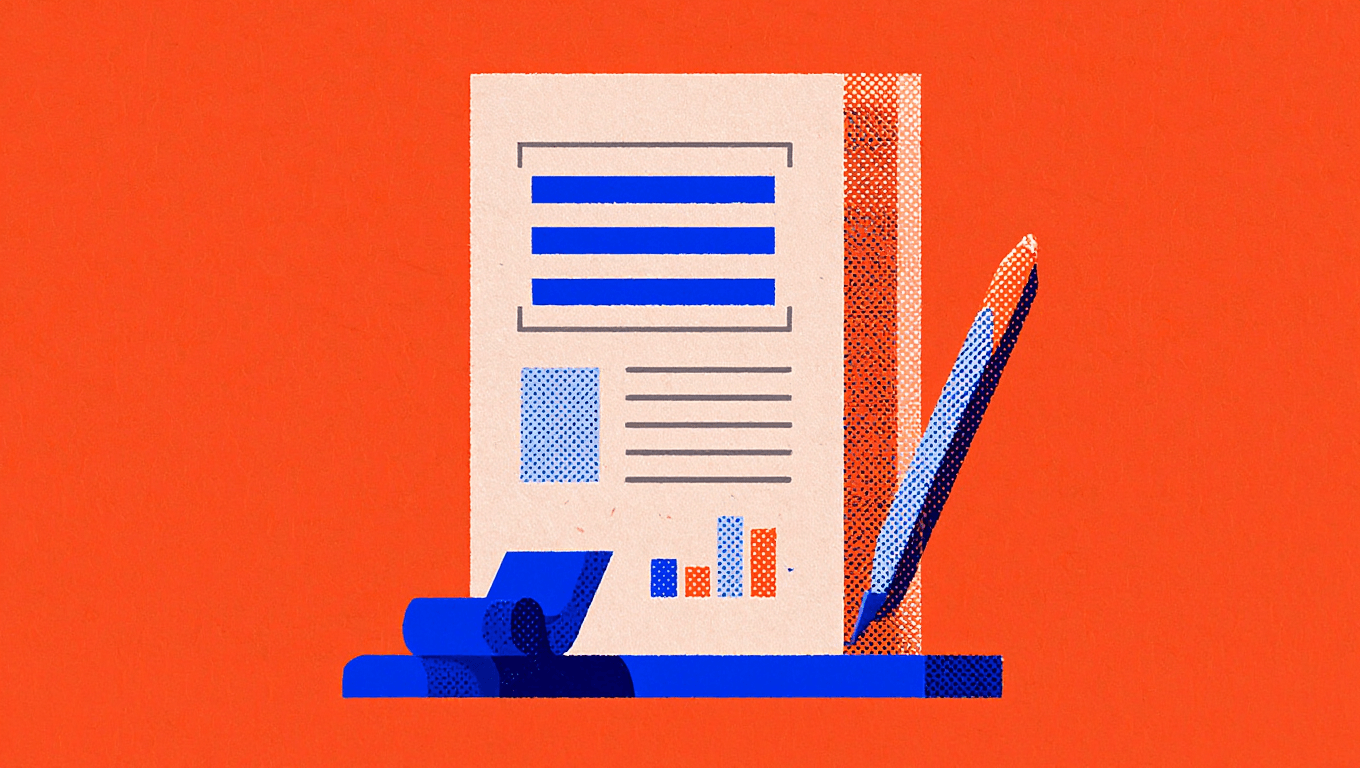
The capability statement is the most underrated document in your business. It's the one a prospect asks for when they're deciding whether you're worth a proper conversation. It's the one that gets forwarded around a buying committee you'll never meet. And it's usually the one cobbled together at the last minute from an old version nobody can quite locate.
For something that carries that much weight, it deserves better than a panicked copy-paste job. So let's talk about what makes a capability statement actually win work, and why the template behind it matters more than you'd think.
What is a capability statement, and why does it matter?
A capability statement is a short, focused document that tells a potential client who you are, what you do, and why you're the right choice, fast. It sits somewhere between a proposal and a brochure without being either. It's the credibility document that gets you onto the shortlist, often before anyone's picked up the phone. In tender-heavy markets like Australia and South Africa, it's frequently the first thing a procurement team reads and the thing that decides whether you make the cut.
Because it travels without you, it has to do the persuading on its own. That's a high bar for a document most businesses treat as an afterthought.
What separates a winning capability statement from a forgettable one
The forgettable ones all look the same. A logo at the top, a wall of "we are a leading provider of" text, a list of services in no particular order, and some clip-art icons. The reader's eye slides off it. It says nothing a hundred competitors couldn't also claim.
The winning ones do a few things differently, and none of them are complicated.
They lead with the client's problem and leave the company history for later. The reader wants to know you understand their situation before they care how long you've been trading. Open with the thing they're worried about and you've earned the next thirty seconds.
They're specific where competitors are vague. "We reduced report production time from three days to four hours for a listed mining client" lands. "We deliver efficiency improvements" doesn't. Real numbers, real outcomes, real (even if anonymised) clients. Specificity is the cheapest credibility you can buy.
They respect the reader's time. One page, maybe two. A capability statement that runs to eight pages isn't thorough, it's a sign you couldn't decide what mattered. The discipline of cutting is part of the persuasion.
And they look like they were made by people who care about detail, because the buyer is quietly assuming your documents reflect your work. A sharp, considered capability statement signals a sharp, considered business. A wonky one, with mismatched fonts and a logo that's gone fuzzy, signals the opposite, however good you actually are.
Why the template is the part that actually saves you
The part most businesses miss is what comes next. A great capability statement is a design problem the first time you make it and a template problem every time after. Most businesses solve it once, beautifully, with a designer, and then watch it decay. Six months later someone needs to update the figures, can't find the original file, opens last year's PDF, and rebuilds it by hand in Word. The fonts drift. The brand colours go slightly off. The layout never quite recovers.
A properly built Word template ends that cycle. When the structure is engineered rather than just decorated, updating a capability statement becomes a five-minute job that's impossible to get wrong on brand.
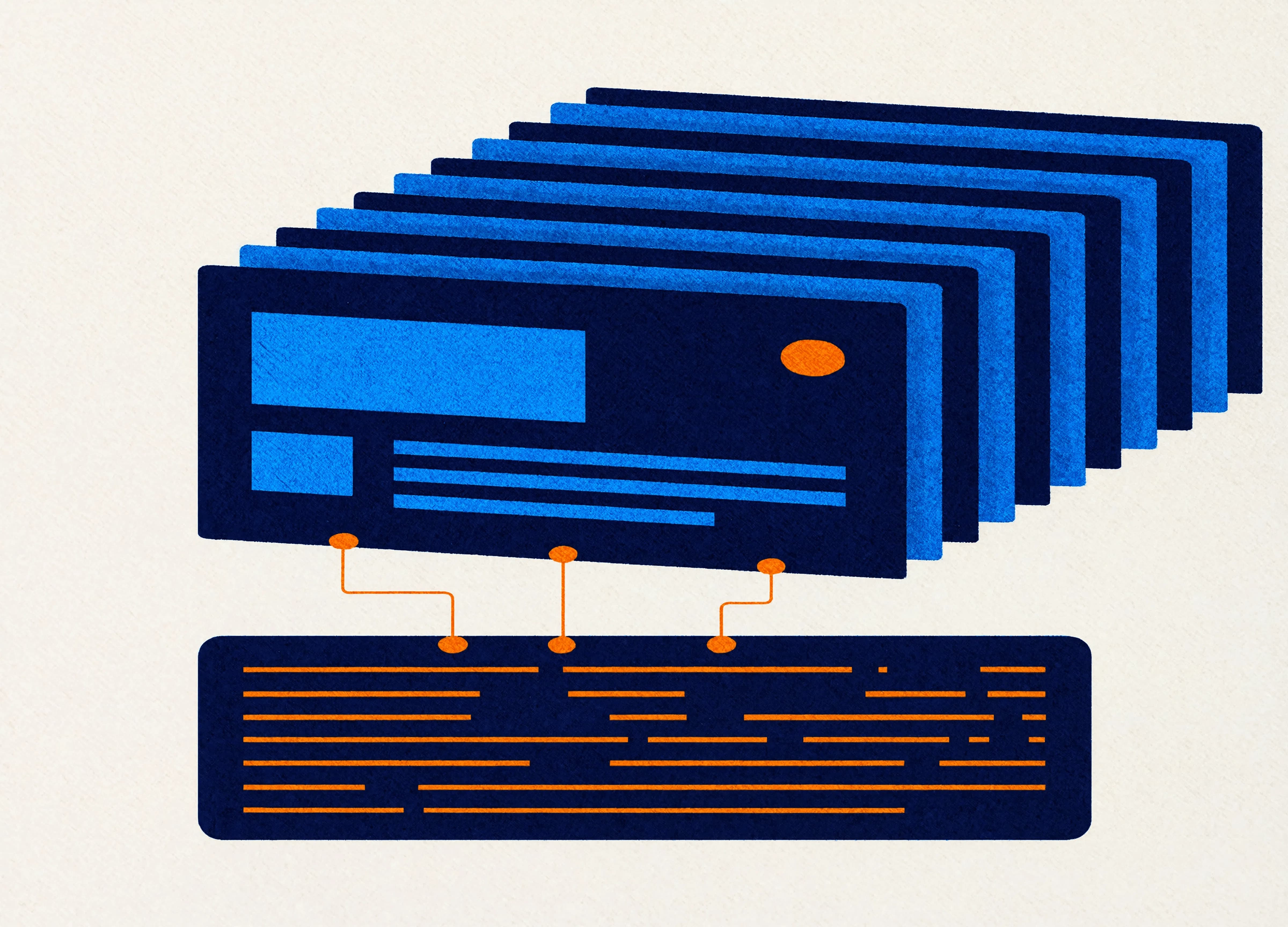
Content controls hold the editable fields, the client name, the project examples, the contact details, so updating them is a matter of typing into the right box while the layout stays put. The structure holds while the content changes.
Proper styles mean every heading, every body paragraph, every caption pulls from a defined style. Change the look once at the template level and every statement made from it updates in step. No more manual reformatting, no more drift.
Automated fields can pull through dates, version numbers and standard boilerplate so the bits that should never vary, never do. For businesses producing capability statements often, or tailoring them per sector, this is where the real time goes back in the bank.
Built this way, the template does something quietly valuable: it lets anyone in the business produce an on-brand, sharp capability statement at short notice, without needing a designer on standby. That's the whole point of a good template. It turns a specialist skill into something the team can simply use.
What goes on the page
If you're rebuilding your capability statement, a simple structure carries most of the load. Open with a single line that names what you do and who you do it for, sharp enough that the reader knows in five seconds whether they're in the right place. Follow it with the client's problem framed in their words, then a short, specific account of how you solve it.
Then the proof: two or three real examples with outcomes attached, ideally ones that mirror the reader's own situation. A tight list of services so they can see the full scope without wading through it. A line or two on what makes you different that a competitor couldn't copy word for word. And clear contact details, because a capability statement that makes someone hunt for how to reach you has fallen at the last hurdle.
That's the whole thing. The discipline is in what you leave out. Every paragraph that doesn't earn its place is a paragraph diluting the ones that do.
The bit AI can and can't do here
It's a fair question in 2026, so let's answer it. Can you ask Copilot to draft a capability statement? You can, and if it's working from a well-built template, you'll get a clean, tidy, on-brand starting point that saves you the blank-page problem. For a standard statement following a familiar pattern, that combination saves you real time.
What AI won't do is the judgement. It won't know that this particular client cares about safety record over price, or that the example you should lead with is the one that mirrors their exact situation. It won't give you the considered visual hierarchy that makes a buyer's eye land where you want it. The template plus AI gets you a solid draft. The thinking, the tailoring and the design polish that turn a draft into a winner are still yours, and for the statements that really matter, still worth a designer's eye.
Treat it like the asset it is
If your capability statement is something you rebuild from scratch each time it's needed, you're losing time and leaking quality on one of the most important documents your business owns. Build it once, properly, on a template engineered to last, and it becomes an asset you can deploy in minutes rather than a chore you dread.
The businesses that win consistently aren't necessarily the best at their actual work. Often they're just the ones whose credibility document does its job before anyone's met them. That's worth getting right.
Georgie is co-founder of Ideaseed, with over 25 years' experience in Microsoft Office template design, build and automation. She and her team specialise in enterprise-grade templates that bridge design vision and technical reality, including the document templates businesses rely on to win work, working with clients across Australia, South Africa and beyond.
Is your capability statement working as hard as it should? Find out where your templates stand with our free health check: ideaseed.com.au/questionnaire.
Need a branded template? We can turn it around overnight.
Australia's Microsoft Office template specialists with a South Africa team that delivers while you sleep.

RAVE REVIEWS
who we work with


.svg)
.svg)
.svg)
.svg)